Choosing a Gutter Installer for Your Atlanta Home
Why Gutter Installation Needs Careful Planning
Gutters are one of those home features you notice only when something goes wrong. A clogged downspout, a sagging section, or water pooling around the foundation can turn a simple rainstorm into a costly repair. For homeowners in Atlanta, where heavy downpours and seasonal storms are common, getting the gutter system right matters more than most people realize.
The decision is not just about picking a material or a color. It is about how water moves around your house, where it goes once it leaves the roof, and whether the system will hold up over time. This is why finding the best local gutter installer is a step worth taking seriously. A good installer does not just fasten metal to your fascia board. They think about pitch, downspout placement, and how water will be diverted away from your foundation.
Understanding Gutter Pitch and Water Flow
Water does not flow uphill, and a gutter that is not pitched correctly will hold standing water. Over time, standing water adds weight, pulls the gutter down, and creates spots where debris collects. The standard recommendation for gutter pitch is a slight slope toward the downspout, usually about a quarter-inch for every ten feet of gutter. An experienced installer will check this carefully, because too much pitch looks off and can cause water to overshoot the gutter in a heavy rain, while too little pitch leaves water sitting.
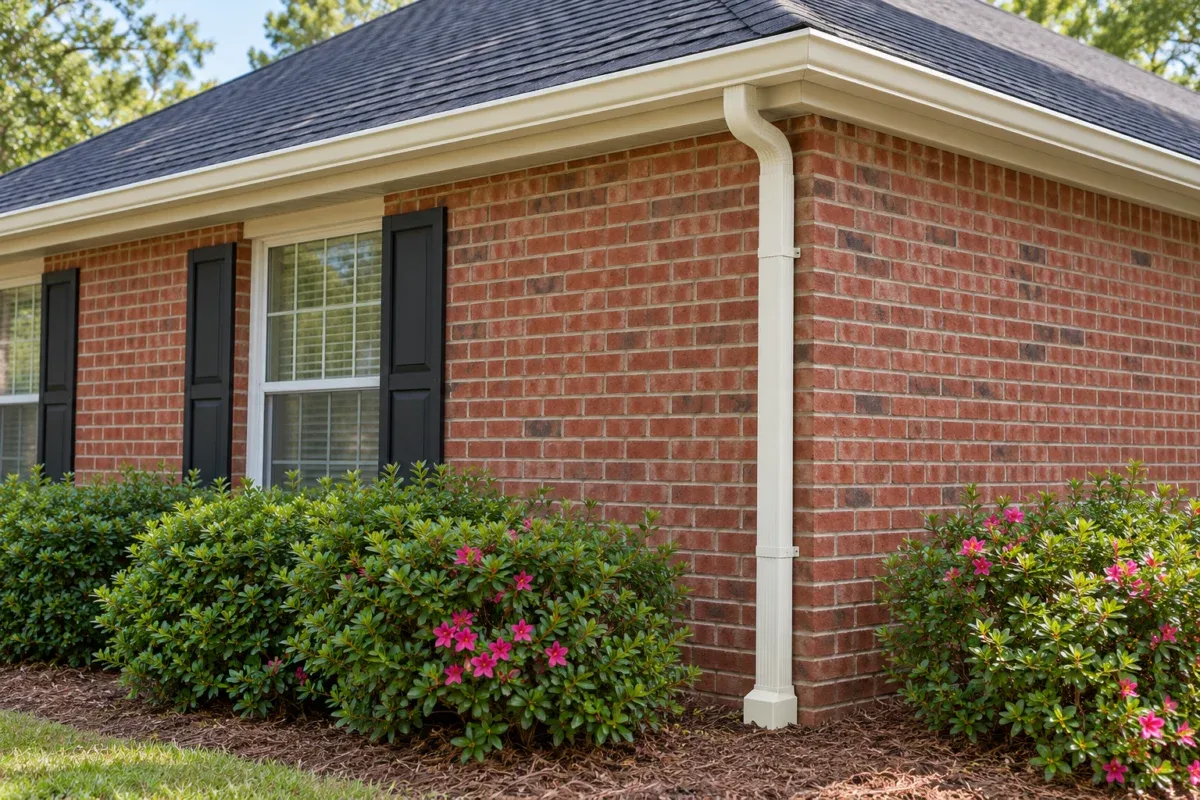
Downspout placement also matters. A downspout that empties too close to the house can saturate the soil next to the foundation and lead to basement moisture problems. Extensions, splash blocks, or underground drains can carry water farther away. When you talk to a contractor, ask how they plan to route water from the downspouts to a safe discharge point. This is one area where a small mistake can lead to big problems later.

Gutter Materials: Aluminum, Copper, and More
Aluminum gutters are a common choice for many Atlanta homes. They resist rust, are relatively lightweight, and can be painted to match trim. Seamless aluminum gutters, formed from a single piece of material, reduce the number of joints where leaks can start. Copper gutters are less common but have a distinct look that ages to a patina over time. They are durable and can last for decades, but they cost more and require a skilled installer who knows how to work with the material. Other options include steel and vinyl, each with trade-offs in durability, appearance, and maintenance.
Your choice of material will influence who can do the installation. Some contractors specialize in seamless gutters and have the equipment to form them on site. Others work mainly with sectional gutters, which come in pre-cut lengths and are joined together. Seamless gutters have fewer joints, which means fewer potential leak points, but they require a professional who knows how to handle the forming machine and measure accurately.
Leaf Guards and Maintenance Considerations
Atlanta has plenty of trees, and leaves in the gutter are a fact of life for many homeowners. Leaf guards, also called gutter covers or screens, can reduce how often you need to clean out the gutters. They sit on top of the gutter or fit inside it and keep larger debris from blocking the flow. They are not perfect. Small particles and pine needles can still get through, and some types of guards need to be removed for cleaning. Still, for homes surrounded by mature trees, they can cut down on maintenance significantly.
When you are evaluating a gutter installer, ask whether they offer leaf guards and which type they recommend for your roof. Some guards work better with certain gutter profiles. A guard that fits a six-inch gutter may not work well on a five-inch one. The best local gutter installer will take the time to match the guard to the system rather than just selling whatever is in stock.
When to Replace Instead of Repair
Gutters do not last forever. Sections can crack, pull away from the house, or develop rust spots that cannot be patched. If you notice water spilling over the sides during a moderate rain, or if the gutters are visibly sagging, it might be time for a replacement. Trying to patch a system that is past its useful life often leads to more frequent repairs and can allow water to damage the fascia board behind the gutter.
Replacing gutters is also an opportunity to upgrade the system. You can add more downspouts, change the material, or install a larger gutter profile to handle heavy rain better. A contractor who understands water diversion and local weather patterns can help you choose a system that fits your home and your budget. They should also check the condition of the fascia board and make any needed repairs before attaching new gutters.
What to Look for in a Contractor
Not every contractor who offers gutter installation has the same level of experience. Look for someone who has been working in the area for a while and can show examples of their work. Ask about their process for measuring and pitching the gutters. A contractor who uses a level and takes the time to get the slope right is more likely to deliver a system that works well.
It is also worth asking about their approach to downspout placement and water routing. Do they recommend underground drains, or do they prefer above-ground extensions? Each option has pros and cons, and the right choice depends on your property. A contractor who explains the reasoning behind their recommendation is someone who thinks about the whole system, not just the part you can see from the street.

Making the Final Decision
Gutter installation is not a do-it-yourself project for most homeowners. The combination of measuring, cutting, and working at height makes it a job best left to professionals. Taking the time to find a contractor who understands the local climate, knows how to handle different materials, and pays attention to the details of water routing will save you headaches in the long run.
The best local gutter installer will not just show up and put up gutters. They will look at your roof line, ask about your concerns, and design a system that keeps water where it belongs. In a city like Atlanta, where rain is a regular part of life, that kind of expertise is worth seeking out.